Rancho Cordova gives final approval to DOVA arena subsidy that could reach $185 million
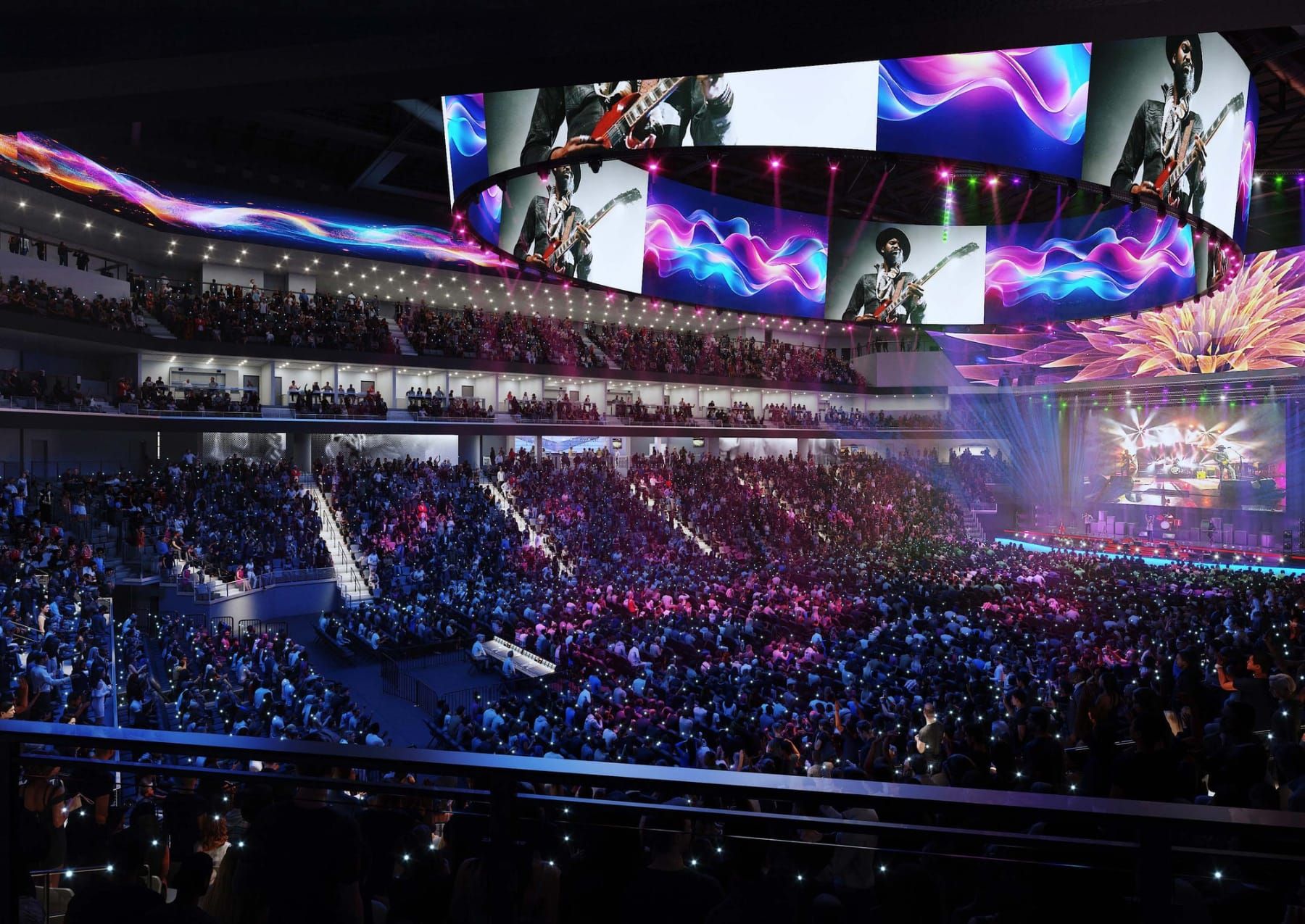
Rancho Cordova’s City Council gave final approval Monday to sharing sales and hotel taxes with the developers of the 7,500-seat DOVA arena. The city’s subsidy disclosure puts the value of the package at up to $185 million.
The council voted 4-1 to approve the financial participation agreement, the contract that sets the tax sharing and fee breaks, with Council Member Joe Little voting no.
The vote also allows the city’s sale of about 12.6 acres to move forward. The council approved the land sale and the arena’s design in separate 4-1 votes on Oct. 26.
DOVA Arena LLC would pay $300,000 in cash for the smaller parcel. Alpha One Sports and Entertainment Group LLC or a designated affiliate would buy the rest, with the city financing 80% of that portion. The land sale remains subject to closing conditions.
KozPure, a Rancho Cordova developer led by Josh Wood and Charlie Tiwana, plans the arena as the first piece of future Downtown DOVA, a roughly 28-acre district along Trade Center Drive between Kilgore Road and Sunrise Boulevard. Later phases could add up to 800 hotel rooms, shops and up to 1,000 homes. KozPure manages DOVA Arena and Alpha One, the companies that signed the agreements.
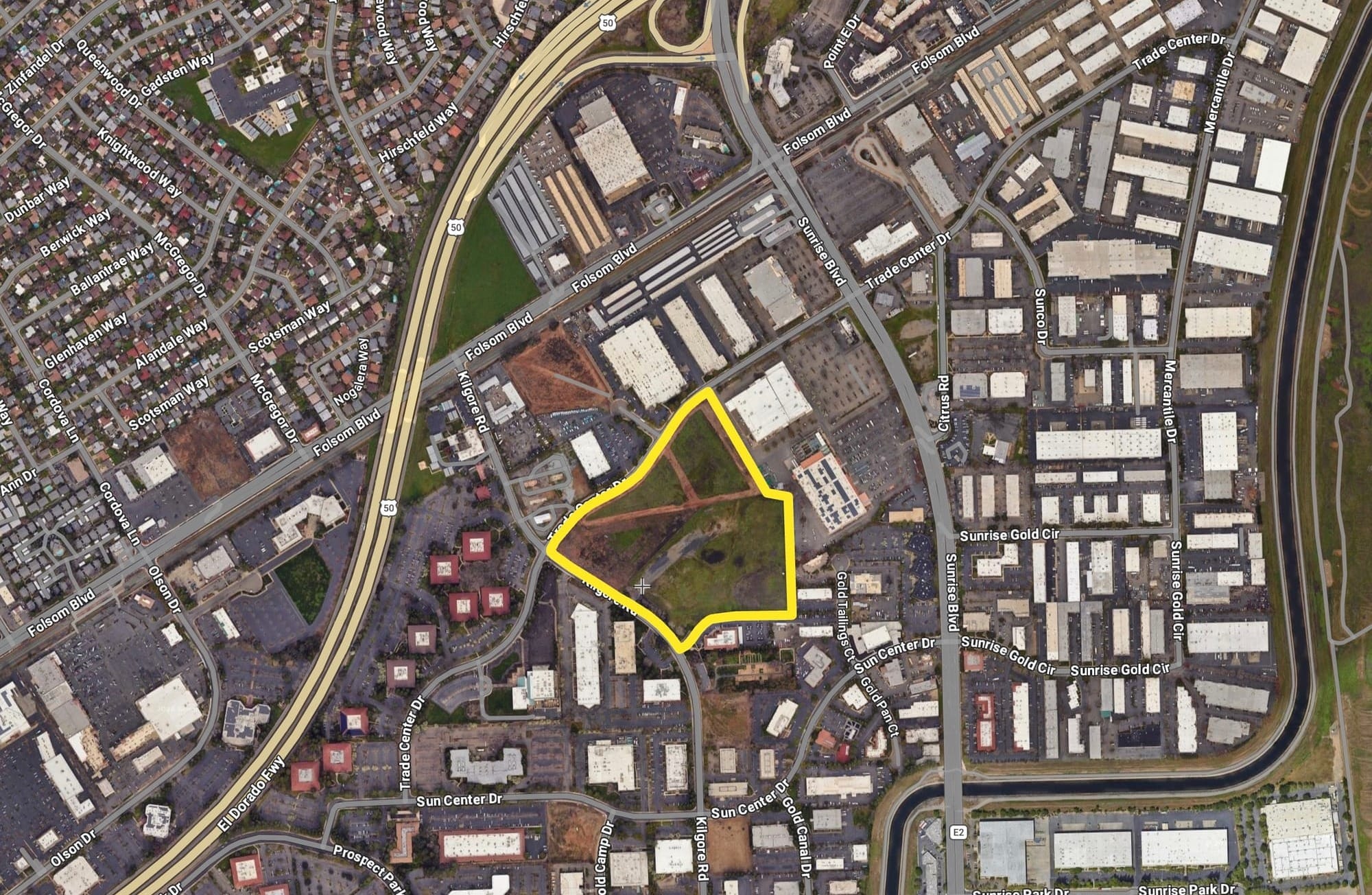
Under the approved agreement, DOVA Arena LLC and Alpha One would receive half of the city’s basic 1% sales tax from businesses in the district, along with eligible hotel taxes from the project site minus a 2.5% administrative fee. The agreement also provides for sharing taxes from up to 20 tables if a cardroom receives separate approvals.
The city would waive up to $3.7 million in permit fees, with that limit adjusted annually for inflation, and cover up to $13.5 million in development impact fees from its general fund. It could pay up to $500,000 a year for extra police service and $471,000 a year toward the project’s fire protection fees. Those payments could last up to 15 years and would start at different points in the buildout. Police payments require occupancy approval for 75,000 square feet of qualifying commercial space. Fire payments start after occupancy approval for the 100th home.
The $185 million figure comes from a disclosure report that state law requires before a local agency approves an economic development subsidy of $100,000 or more. It counts the tax shares, fee breaks and public safety payments together. The disclosure says tax sharing would end by Nov. 2, 2066.
Though the staff report says the subsidy “will not exceed” $185 million, that limit does not appear in the agreement or the resolution adopting it. The agreement limits the fee breaks and police and fire payments but sets no dollar limit on the tax shares. It runs for 45 years, with separate 35-year tax-sharing periods that can start at different times. Hotel tax sharing can start as late as 10 years after the agreement takes effect and then run 35 years, so payments could continue past 2066.
Over a 35-year period, the city projects $79.4 million in receipts from the land sale, its share of sales taxes, property taxes and administrative fees, including revenue from the area around the project, according to the staff report.
“If this thing is wildly successful for 35 years, our estimate is that the builders, the operators, could receive $185 million, largely in shared revenue. In other words, if it’s not built, none of that revenue exists,” Council Member David Sander said. He said the city will not own or operate the arena, so repairs such as a new roof would fall to its owners.
Sacramento sold $272.9 million in long-term bonds in 2015 to cover its $255 million share of the $507 million Golden 1 Center, plus reserves, interest during construction and issuance costs, according to the city. Assistant City Manager Kim Juran said Oct. 26 that Rancho Cordova would not borrow for DOVA. Most of its support would come from taxes the district generates, so the total depends on how well the district does.
Before voting, the council added three changes requested that afternoon by Thane Schultz of Marriott, City Attorney Adam Lindgren said. The first holds KozPure's hotel tax share until the arena receives its certificate of occupancy. Under the original terms, those payments could have started once the arena was 80% complete, Schultz told the council.
The second ties the entire deal to the arena staying open. Under the original terms, if the arena closed, the city could end tax sharing only for the arena itself, and KozPure would keep collecting from its hotels and shops.
Now, after 30 days' written notice and a council hearing, the city can suspend the tax shares, fee breaks and police and fire payments, or end the agreement entirely. The arena counts as open if it holds at least 30 events a year, with time off allowed for renovations. City staff project more than 180 events a year.
The third locks in the current boundaries of the DOVA Zone, a surrounding area where KozPure would get half the hotel tax from new hotels, according to Juran. KozPure accepted the changes, its attorney told the council. Schultz did not say why Marriott sought them.
Little declined to argue the deal again. “I don’t want to relitigate last week. I know how the vote is going to go,” Little said.
Jeffrey Black, a 44-year resident who lives near the site on Scotsman Way, took no side on the project but objected to the city paying the developers’ impact fees from its general fund.
Sander said the city typically waives impact fees for projects such as affordable housing. He said the city moved $20 million from its general fund reserve to its transportation fund last year, more than the $13.5 million cap on DOVA’s impact fees, which would be paid over several years.
“This is not an unusual transaction for us in the global scope of things,” Sander said.
Black also said drivers already cut through the neighborhood to avoid Sunrise Boulevard. A traffic study for the project estimates that a sold-out Friday event would add about 2,300 vehicle trips from 6 to 7 p.m. Two Sunrise Boulevard intersections, at Coloma Road and Zinfandel Drive, would then fall below the city's congestion standard unless signals are retimed for events, the study found.
Helen Whalen-Bashaw, the only speaker to oppose the project during public comment, said new professional soccer teams often fold within a few years and the developers' limited liability companies could go bankrupt without risking the owners' personal assets. "This was the Trojan horse that's presented to us under soccer," Whalen-Bashaw said.
Supporters included construction union members who want the jobs and residents who want entertainment closer to home. Paul Avila, whom the land agreement names as escrow officer, praised the agreements’ audit provisions.
“This is one of the best models of public-private partnership that one would hope to see,” said Joshua Arce, executive director of the California Alliance for Jobs, a partnership of construction unions and contractors.
The council also voted 4-1, with Little voting no, to adopt the development agreement, which takes effect Dec. 2. It requires the developers to make “commercially reasonable efforts” to finish the arena by Nov. 30, 2027.
Project Watch
Keep following: Downtown DOVA
Every story on this project, newest first.
- Rancho Cordova OKs DOVA arena design and land sale before final tax-sharing deal
- Rancho Cordova arena advances as city negotiates $185 million in public support
- Rancho Cordova considers hotel assessment to help finance DOVA arena, infrastructurePremium
Want our stories first on Google? Add Onsite Observer as a preferred source.
Add us on Google →

Comments
What’s your take? Share your thoughts with other readers.