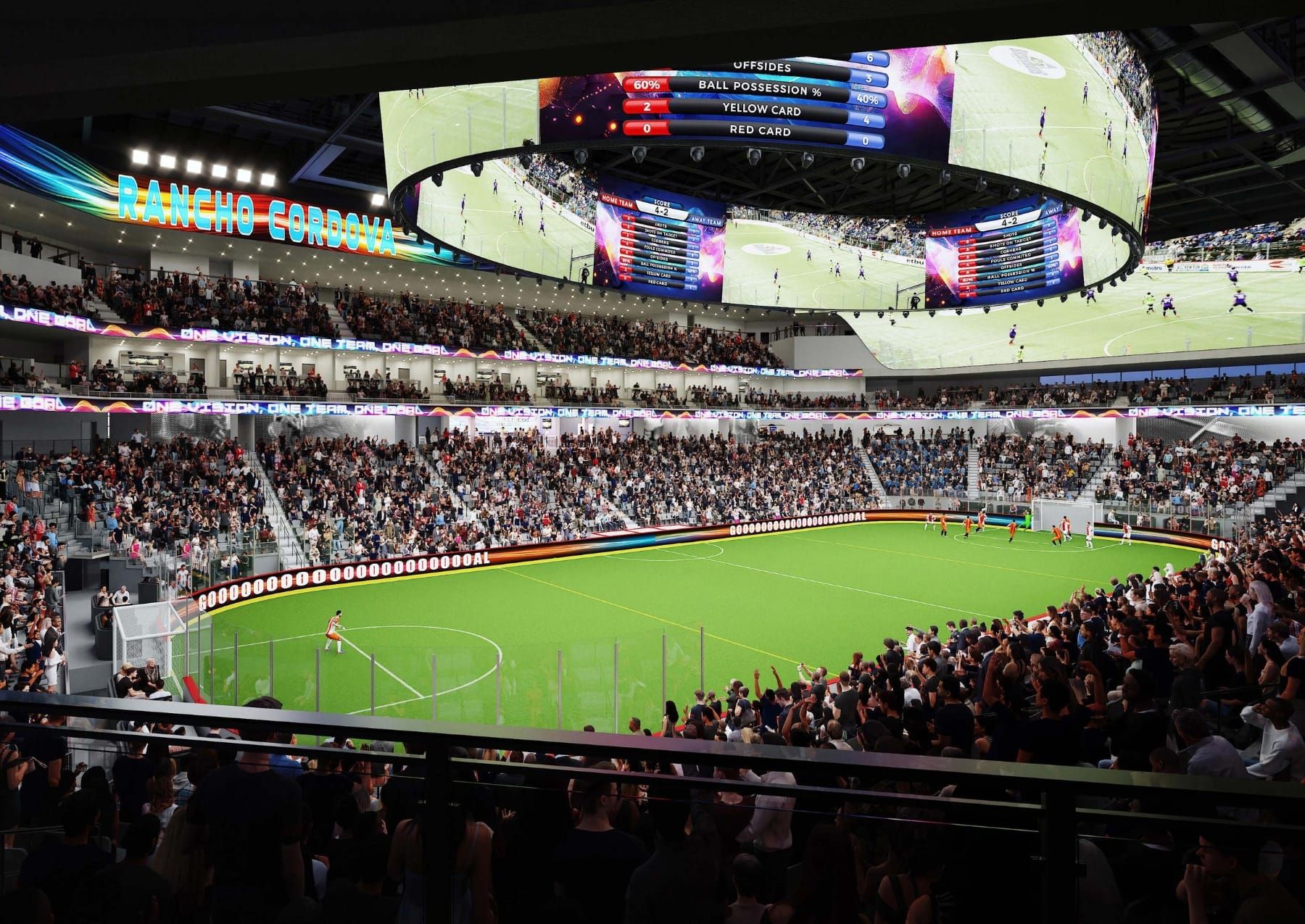
Rancho Cordova is considering public support that city staff estimate could total about $185 million over 35 years for a privately developed arena district. The agreement spelling out the city’s financial commitments is still being negotiated.
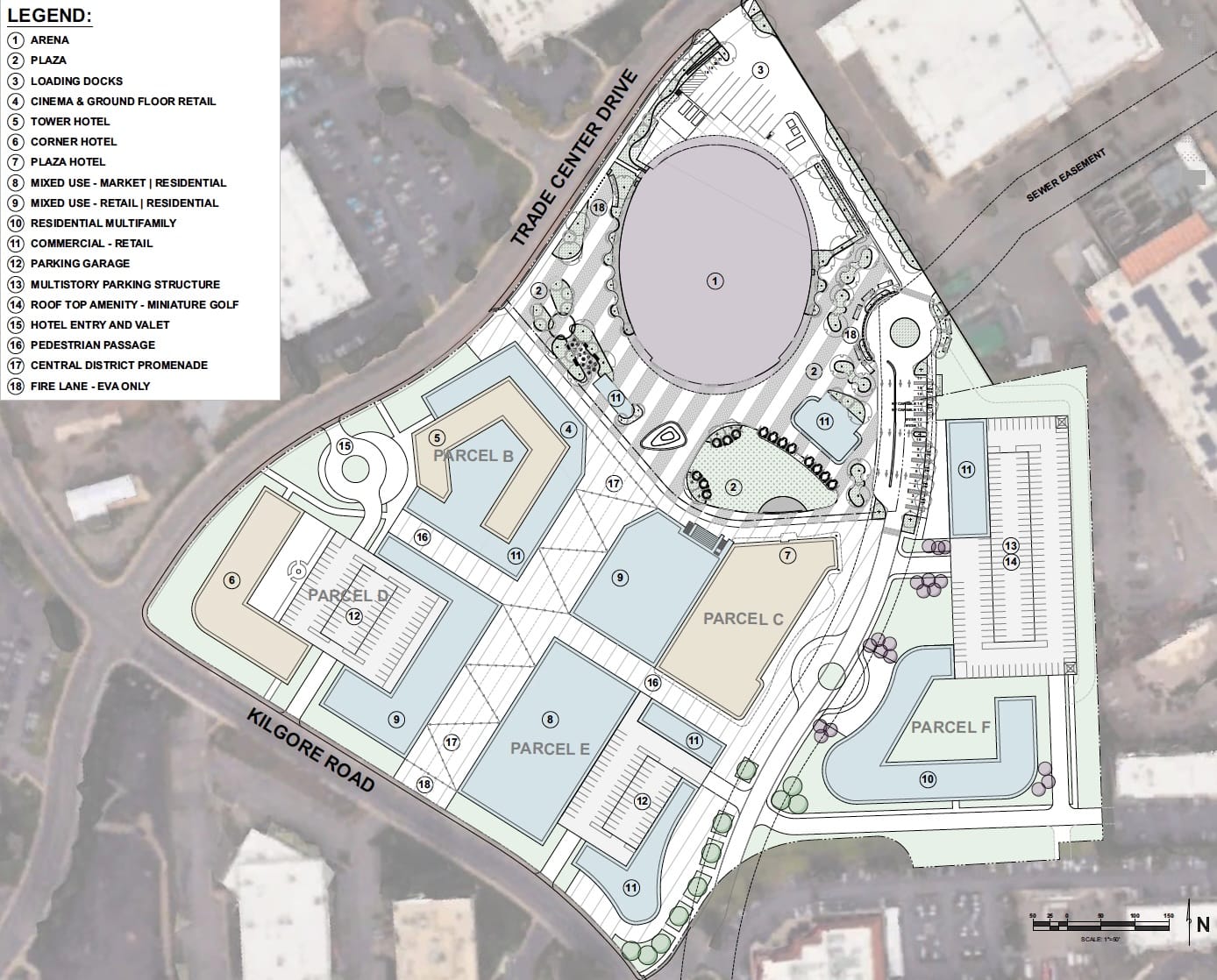
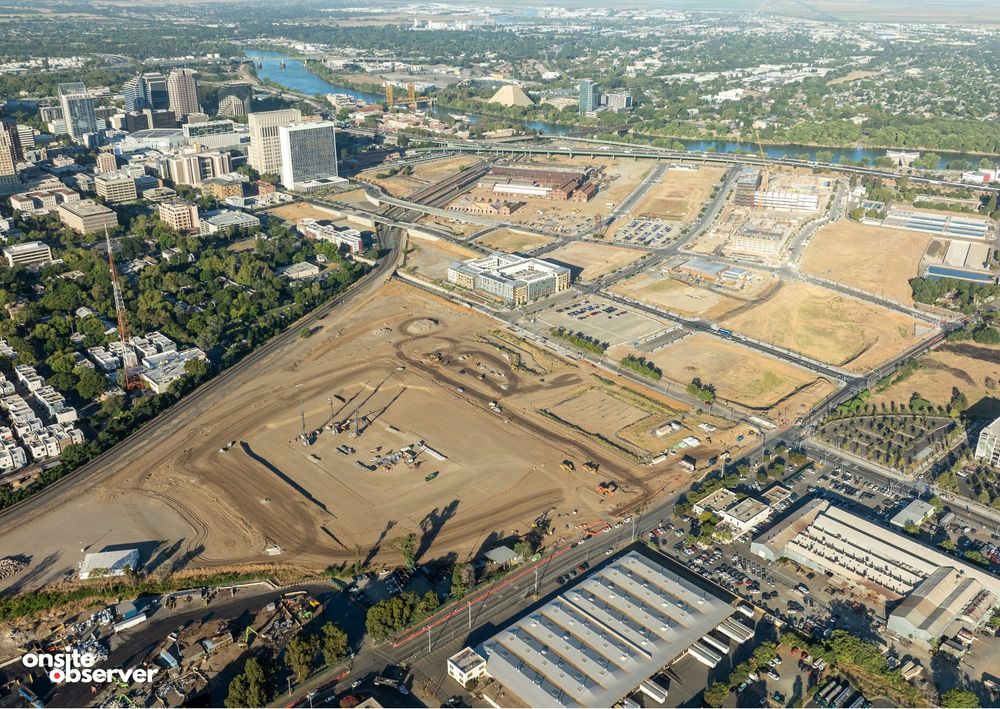
The Planning Commission voted 7-0 on Sept. 30 to recommend that the City Council approve the 7,500-seat Cordova Arena and a development agreement for Downtown DOVA, the hotels, housing and retail that KozPure Development plans to build around it on approximately 26 acres of vacant land south of Highway 50.
The arena project is estimated to cost $175 million. Construction of the full Downtown DOVA district is estimated at $1.2 billion.
The financial participation agreement was not included in the commission’s 1,872-page packet. Staff said it would come before the council at a later public hearing.
City officials say the largest portion of the proposed assistance would depend on completed development generating tax revenue. The city would share taxes that could include sales, hotel room and potential cardroom taxes for 35 years. The draft development agreement also anticipates sharing certain tax revenue from nearby development.
Using a hotel as an example, Assistant City Manager David Kwong said the proposed assistance “is a performance-based incentive. … If it doesn’t get built and doesn’t generate revenues, then there’s no split. There’s no share.”
Other forms of assistance would come before businesses begin generating taxes. The council approved approximately $940,000 in predevelopment application fee waivers in January, Planning Manager Arlene Granadosin-Jones said.
Under terms outlined in the staff report, the city would also waive building permit fees and pay development impact fees the developer would otherwise owe after components such as the arena and hotels pass final inspection.
Those impact fee payments could require moving unrestricted General Fund money into accounts reserved for purposes such as traffic improvements and affordable housing, the report says. The money would remain within city accounts, but the General Fund would provide dollars the developer would otherwise contribute.
The staff report also anticipates city payment of supplemental public safety costs for up to 15 years. The draft development agreement calls for a police services funding district for residential development and a fire services district for the project.
Commission Chair Tegan Mauldin asked whether the developer, rather than residents, would pay the special taxes supporting those services. Kwong said that was typically the case, but whether the city would cover those costs remained under negotiation.
“We’re still negotiating those issues out,” he said. “And the council will have a final say on it.”
The staff report does not provide a category-by-category breakdown of the estimated $185 million city contribution. It describes the project as “financed primarily by private capital.”
The draft development agreement acknowledges that the arena and hotels are “intended to be structured and paid for in part by public funds.” It would require prevailing wages for construction of both components.
Several residents told commissioners the project had been presented to them differently. Sarah Malone, who identified herself as chairperson of Stone Creek Residents for Smart Growth, said developers described it to her group early on as “100% privately funded.”
The group had concerns about traffic, she said, but was willing to support the arena “based on the understanding that taxpayers would not be responsible at all for funding it.”
The city’s September 2025 economic development agreement had anticipated fee relief, tax sharing and a contribution of city-owned land. The financial agreement now being negotiated would establish the terms for implementing the proposed assistance.
Donielle Cummings, a resident and small-business owner, asked commissioners to hold off until residents received a full accounting.
“What is the total public commitment?” she asked. “Who pays if the project revenues fall short?”
Most speakers at the hearing, which ran more than four hours, supported the project, although some wanted the financing revised or raised concerns about competing infrastructure needs. Union representatives pointed to construction jobs. The Rancho Cordova Area Chamber of Commerce supported the district’s potential to attract customers and investment.
Residents said they had spent years driving to Folsom, Roseville and Elk Grove for restaurants and entertainment.
“I just can’t wait to see the current generation of kids getting to experience a city center like this,” said Jordan Stutsman, who said he had lived in the Stone Creek and Anatolia neighborhoods for 20 years.
Joshua Wood, KozPure’s co-founder and chief executive, told commissioners the city has jobs and safe neighborhoods.
“But the one thing we’re missing is a central gathering place, and that’s what this project seeks to provide,” he said.
Rancho Cordova has pursued a downtown for two decades. Its 2006 General Plan envisioned one along Zinfandel Drive, from Folsom Boulevard to International Drive. That vision was never realized, according to a report prepared for the city’s General Plan update.
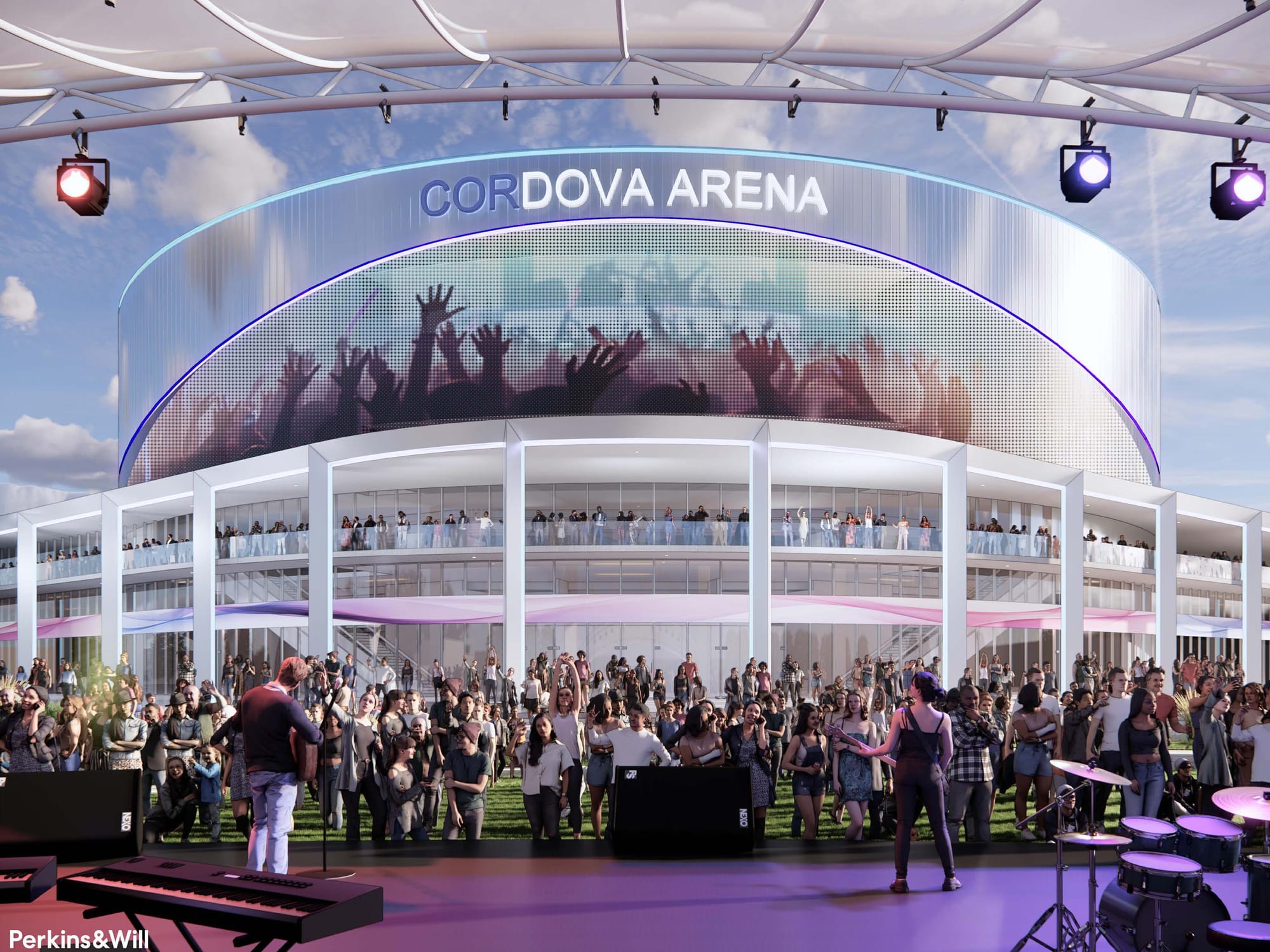
DOVA would begin with the arena and an outdoor plaza on Trade Center Drive between Kilgore Road and Sunrise Boulevard. The approximately 194,000-square-foot building is designed for indoor sports, concerts, graduations and conventions. Planning documents anticipate more than 180 arena events annually.
Later phases call for approximately 800 hotel rooms, 640 to 1,000 homes and about 220,000 square feet of retail, restaurant and office space. Those components would require further city approvals.
The draft agreement also allows the developer to pursue a cardroom, subject to environmental review and the necessary approvals, permits and licenses. Staff expects full buildout of the district to take approximately 10 years.
The development agreement gives the developer considerable discretion over construction timing. It calls for “commercially reasonable efforts” to complete the arena by Nov. 30, 2027.
The developer could also defer or phase any part of the project without defaulting if it determines, in its reasonable business judgment, that immediate performance is materially impaired or infeasible.
Several steps would precede the arena’s opening. An analysis of the Highway 50 interchanges at Sunrise Boulevard and Zinfandel Drive must satisfy Caltrans and the city before final approval of the arena’s superstructure. Improvements identified in the approved analysis must be completed before a certificate of occupancy is issued.
Parking would change as the district is built. Plans show 21 spaces at the arena, mostly designated for accessible parking. Early events would rely on approximately 2,270 temporary spaces on surrounding undeveloped land and city-owned parcels along Kilgore Road, according to the staff report.
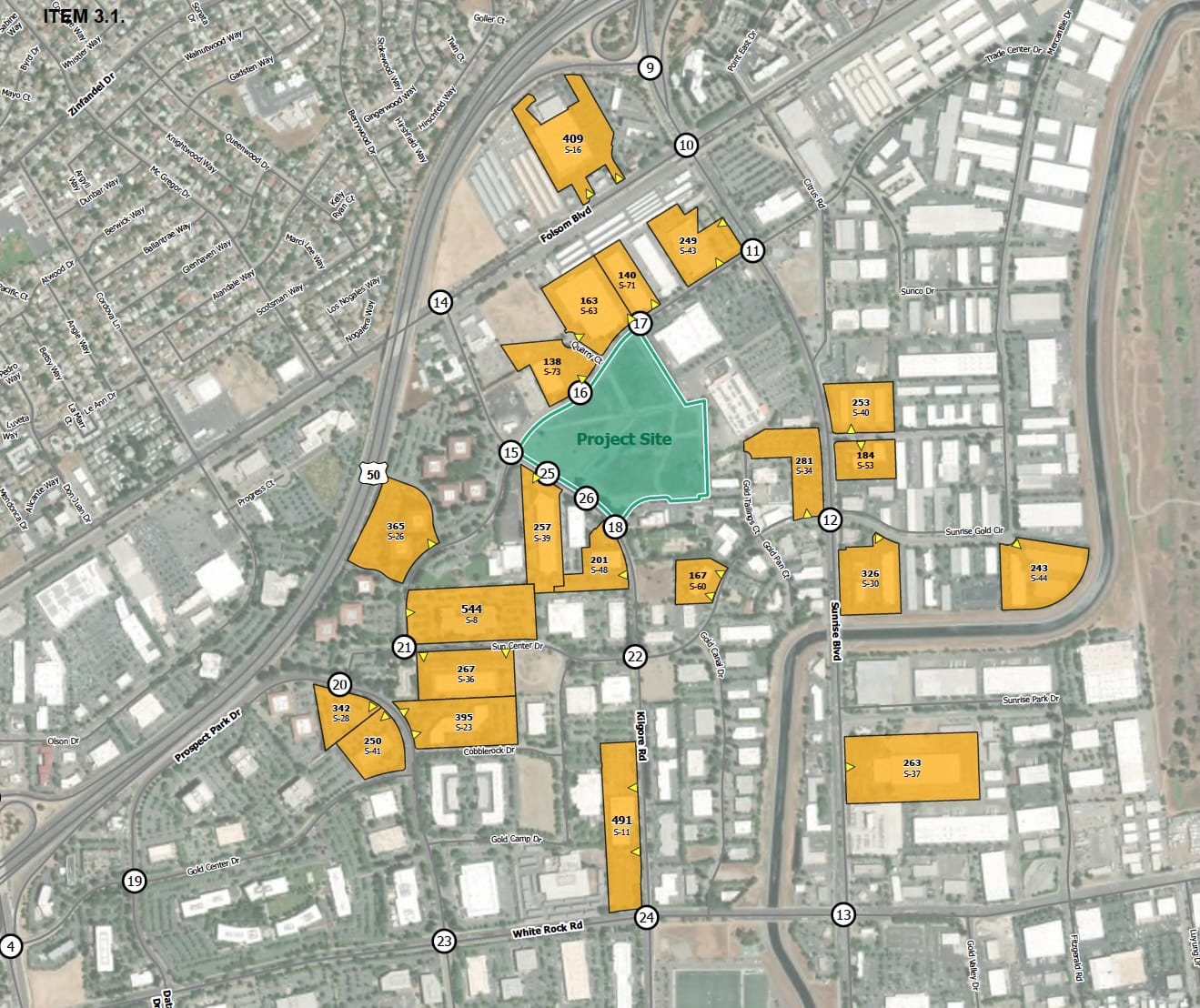
As later phases displace those spaces, each would have to be replaced within a half-mile of the arena, either in a permanent parking facility or through agreements for existing parking lots.
At full buildout, the district’s approximately 2,500 structured spaces would primarily serve hotel guests, residents and commercial customers, developer attorney David Temblador said. He estimated arena events would still require approximately 2,600 spaces secured through off-site agreements.
The development team has spoken with surrounding property owners, he said, but some were reluctant to sign agreements while the project was early in the approval process.
“Folks haven’t necessarily wanted to ink it yet,” Temblador said.
Commissioners also backed the city’s proposed environmental review approach, which relies on the impact report prepared for the 2006 General Plan and current project studies rather than a new environmental impact report.
Mark Teague of PlaceWorks, the city’s consultant, said the analysis found no significant impacts peculiar to the project or site requiring additional review. Some residents questioned relying on the 20-year-old report.
At the start of the hearing, Mauldin said most commissioners had met with the developers previously and that the information they had received was consistent with the public materials.
Commissioner Cynthia Stauss said she does not take those meetings because she wants to hear the presentations as residents do. She asked Kwong to explain the incentives and emphasized that the financial decision belongs to the council. The proposal did not involve writing a $185 million check, she said.
The developer also plans to buy city-owned land at the site for an estimated market value of $3.5 million. The agreement approved in September 2025 had contemplated contributing the land at no cost.
The commission’s recommendation now goes to the City Council. Staff said the financial participation and land purchase agreements would also come before the council for public review. Those agreements will establish the terms of the city’s financial support and the sale of city-owned land.
Want our stories first on Google? Add Onsite Observer as a preferred source.
Add us on Google →Author

Vitaliy Moskalenko is a development reporter passionate about documenting how communities grow. Through Onsite Observer, he delivers site visits, drone footage, and research-driven stories that bring transparency and context to local development.
Comments