Environmental groups sue Sacramento County over 9,356-home Upper Westside approval
Lawsuit seeks to overturn approvals for the 9,356-home community west of North Natomas and require additional environmental review
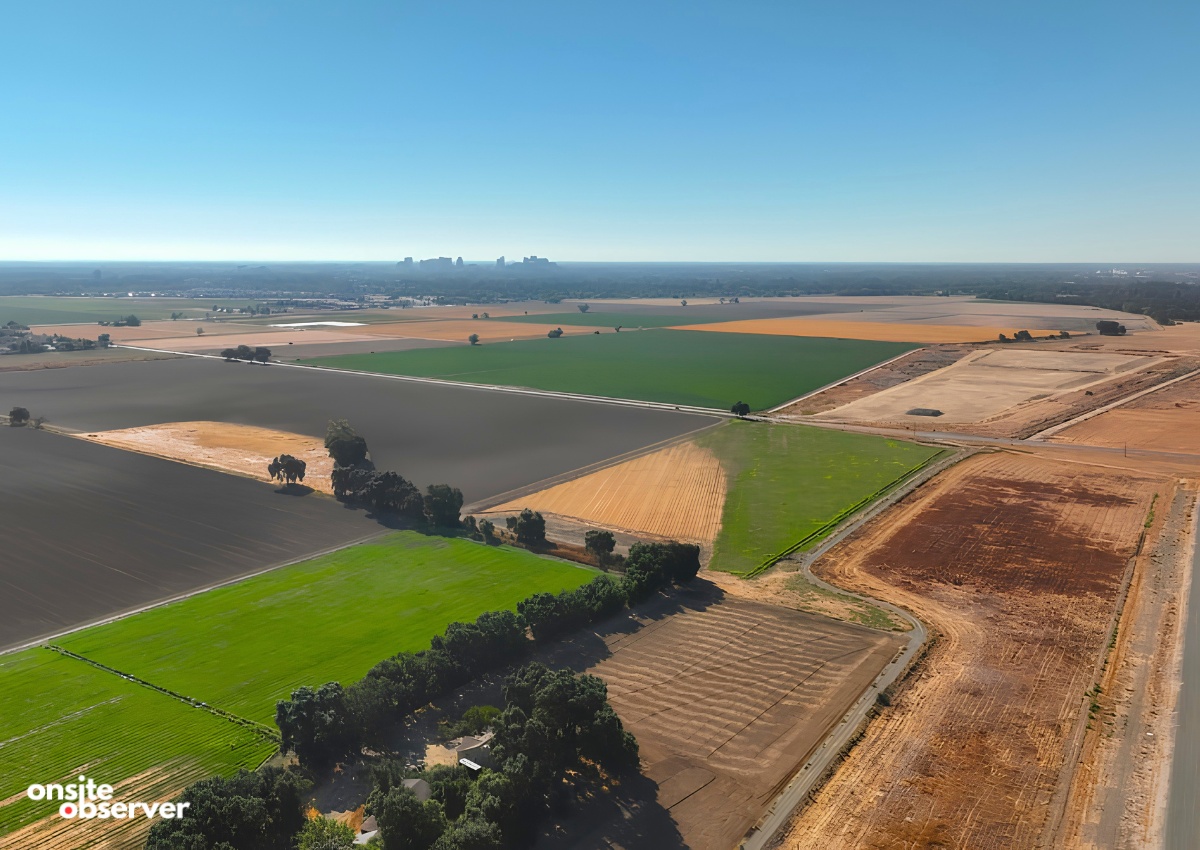
Environmental and neighborhood groups sued Sacramento County on Thursday over its approval of a 9,356-home community west of North Natomas, opening a legal fight over whether the region’s housing needs justify expanding urban development onto farmland in the Natomas Basin.
The Environmental Council of Sacramento, Friends of Swainson’s Hawk and the Garden Highway Community Association allege county supervisors violated California environmental law and the county’s General Plan when they unanimously approved the Upper Westside Specific Plan on June 16.
The lawsuit asks Sacramento County Superior Court to overturn the approval and block activity that could physically alter the property while the case proceeds.

Stay ahead of what’s being built with unlimited access to local project updates, in-depth reporting and subscriber-only insights.
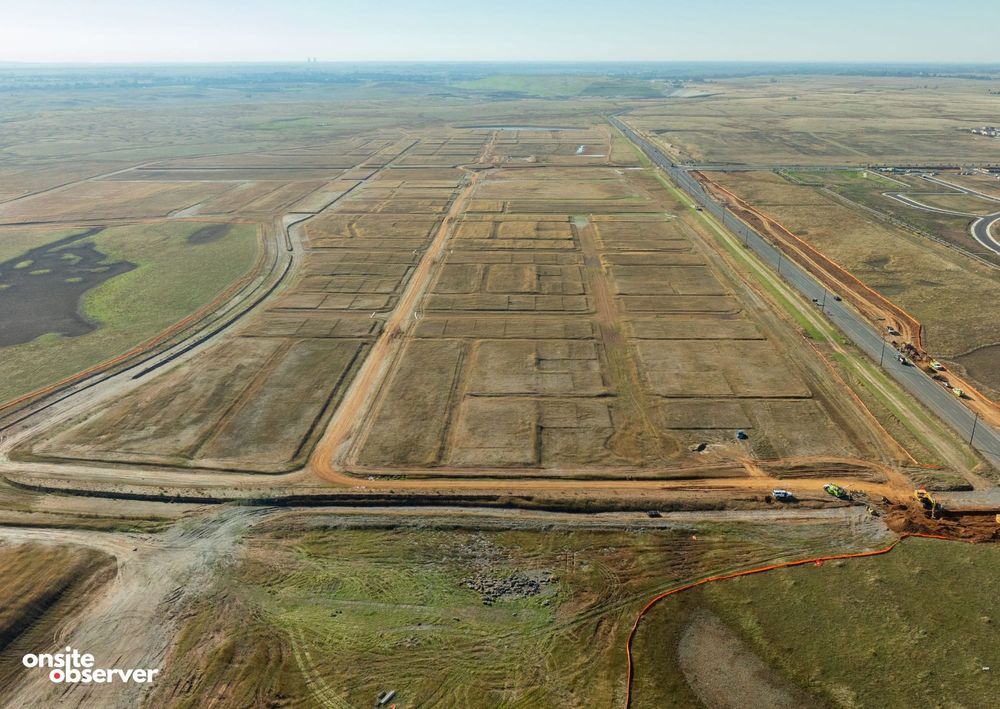
Upper Westside covers roughly 2,066 acres north of Interstate 80, between the city of Sacramento and the Sacramento River. The plan includes a 1,524-acre development area and an approximately 542-acre agricultural buffer near Garden Highway.
The county’s approval established a framework for 9,356 homes, more than 3 million square feet of commercial uses, four school sites, parks, trails and a mixed-use town center organized around a proposed canal.
Supporters say the project is a response to the Sacramento region’s housing shortage and an opportunity to build a large community near downtown, North Natomas and major employment centers. Opponents have raised concerns about farmland conversion, wildlife habitat, traffic, water supply and the costs of public services.
County supervisors certified the project’s environmental impact report and concluded that its housing, economic and land-use benefits outweighed significant and unavoidable environmental effects.
The lawsuit makes two primary claims. The groups allege the environmental review failed to adequately disclose and analyze the project’s effects, and they contend the county violated its own growth policies by expanding the Urban Service Boundary and Urban Policy Area.
The petition says the environmental report relied on a project description and phasing plan that could change over time. It also alleges the county used project objectives that unfairly excluded potentially feasible alternatives, including development at other locations.
The groups contend the county failed to adequately evaluate effects involving farmland, wildlife, air quality, greenhouse-gas emissions, water supply, noise and transportation. They also allege some mitigation measures were vague, unenforceable or postponed until later stages of development.
The lawsuit also focuses on the Natomas Basin Habitat Conservation Plan, which has guided development and habitat protection in the basin for more than two decades.
The petition says the Upper Westside property supports the conservation strategy for 22 special-status species, including the Swainson’s hawk and giant garter snake. Because the property is outside the habitat plan’s permit area, the groups argue that urban development could undermine assumptions used to support the regional conservation program.
The challengers cite a 2005 federal court decision that upheld the habitat plan while noting that it assumed development in the basin would be limited to 17,500 acres and that remaining land would stay in agricultural production.
The lawsuit also targets General Plan Policy LU-127, which restricts expansion of the county’s Urban Service Boundary. The policy generally bars expansion into prime farmland or areas that could interfere with an adopted habitat conservation plan, though supervisors may approve an expansion by a four-fifths vote after finding extraordinary environmental, social or economic benefits.
The petition alleges the project would convert about 940 acres of prime farmland and that the county’s findings supporting the expansion weren’t backed by substantial evidence.
The lawsuit follows years of opposition from the organizations that filed it. Environmental Council of Sacramento President Heather Fargo, a former Sacramento mayor, urged supervisors to reject the plan in June, calling it “a huge rezone of farmland to development.” Fargo signed the petition’s verification on behalf of the organization.
Development of Upper Westside is expected to occur over roughly 20 years. Approval of the specific plan doesn’t allow construction to begin immediately. Individual projects would still require subdivision maps, rezones, design reviews, infrastructure plans and permits from county, state and federal agencies.
The lawsuit was assigned to Judge Jennifer K. Rockwell. No hearing date was listed.
Filing the lawsuit doesn’t automatically stop the project. The groups are seeking a stay or injunction, but the court documents reviewed don’t show that either has been granted.
Author

Vitaliy Moskalenko is a development reporter passionate about documenting how communities grow. Through Onsite Observer, he delivers site visits, drone footage, and research-driven stories that bring transparency and context to local development.