Yolo 80 express lanes one step closer as toll policies move ahead


The Capital Area Regional Tolling Authority (CARTA) closed out its final meeting of 2025 with two decisions that move the Yolo 80 express lanes another step toward operation. Directors finalized how the lanes will function and gave the go-ahead to launch a key contract needed to run the tolling system.
Support our work and unlock all articles, project updates, and subscriber-only insights by subscribing to Onsite Observer.
After multiple workshops and board discussions throughout the year, the board unanimously approved a comprehensive Toll Policy Resolution. This document sets the rules for how express lanes will operate in the region, beginning with the Yolo 80 project, which will add one managed lane in each direction from near West El Camino Avenue in Sacramento to the Kidwell Road area in Dixon, as well as from the I-80/US-50 interchange to I-5 near downtown.
Map showing where tolling will apply on the Sacramento region’s first express lanes.
Under the approved policy, the lanes will be managed around the clock, toll rates will adjust in real time to help keep traffic flowing faster than the general lanes, and drivers will be required to use FasTrak to pay. Carpools with three or more people and motorcycles will pay no toll.
Before voting, CARTA went through a public review process to give people a chance to comment on the toll rules before they became official. The agency posted the draft policies online, emailed them to more than 800 people on its interest list, and kept comments open through December 8. Staff then gathered the feedback and brought it back to the board so directors could see how the public felt before making their final decision. The goal, they said, was not just to meet a procedural requirement, but to make sure the public had a chance to react to how the region’s first managed lanes would function before rules were locked in.
In the end, 15 people submitted written comments. That’s fewer than CARTA expected. Most people pushed the agency to let two-person carpools ride free instead of requiring three people. Despite that feedback, CARTA did not change course. Staff explained that the project was environmentally cleared as HOV 3+, and shifting to HOV 2+ would reduce lane performance and weaken revenue needed to operate the system.
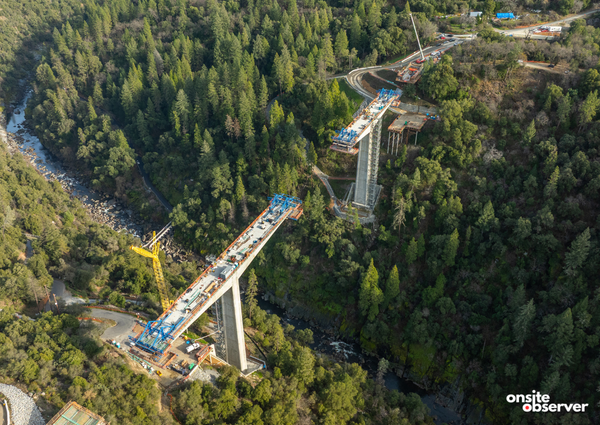
Video of Yolo 80 Corridor Improvements Project, captured on September 9, 2025.
To run the toll lanes, CARTA needs three main parts: the civil roadway infrastructure (now under construction), the back-office toll account system (now moving forward with TCA), and the Toll System Integrator (TSI), which is the contractor that installs and operates the roadside tolling equipment and monitors lane operations.
At this meeting, the board authorized staff to immediately release the Toll System Integrator Request for Proposals, selecting an option that lets the procurement process start now, while the board will still need to approve the final contract later. The plan is to receive proposals in early 2026, approve the contract around June 2026, and start the contract in July 2026.
Staff said it is important to keep the TSI schedule in sync with the ongoing freeway construction so both systems work together smoothly when the lanes open.
The board also reviewed how CARTA will fund operating costs before toll revenue begins. Staff outlined plans for up to $14 million in partner loans, largely from Yolo County agencies, to fund the early years of administration, oversight, and system preparation. These loans would be repaid after toll collection begins, which is currently projected for mid-2028. The loans are separate from construction costs, which are being funded through Caltrans.
The agency’s next meeting is scheduled for Feb. 18, 2026. Those interested in following updates or participating can find more information at carta.ca.gov/board-meetings.