Sacramento voters could decide on half-cent transportation tax this November
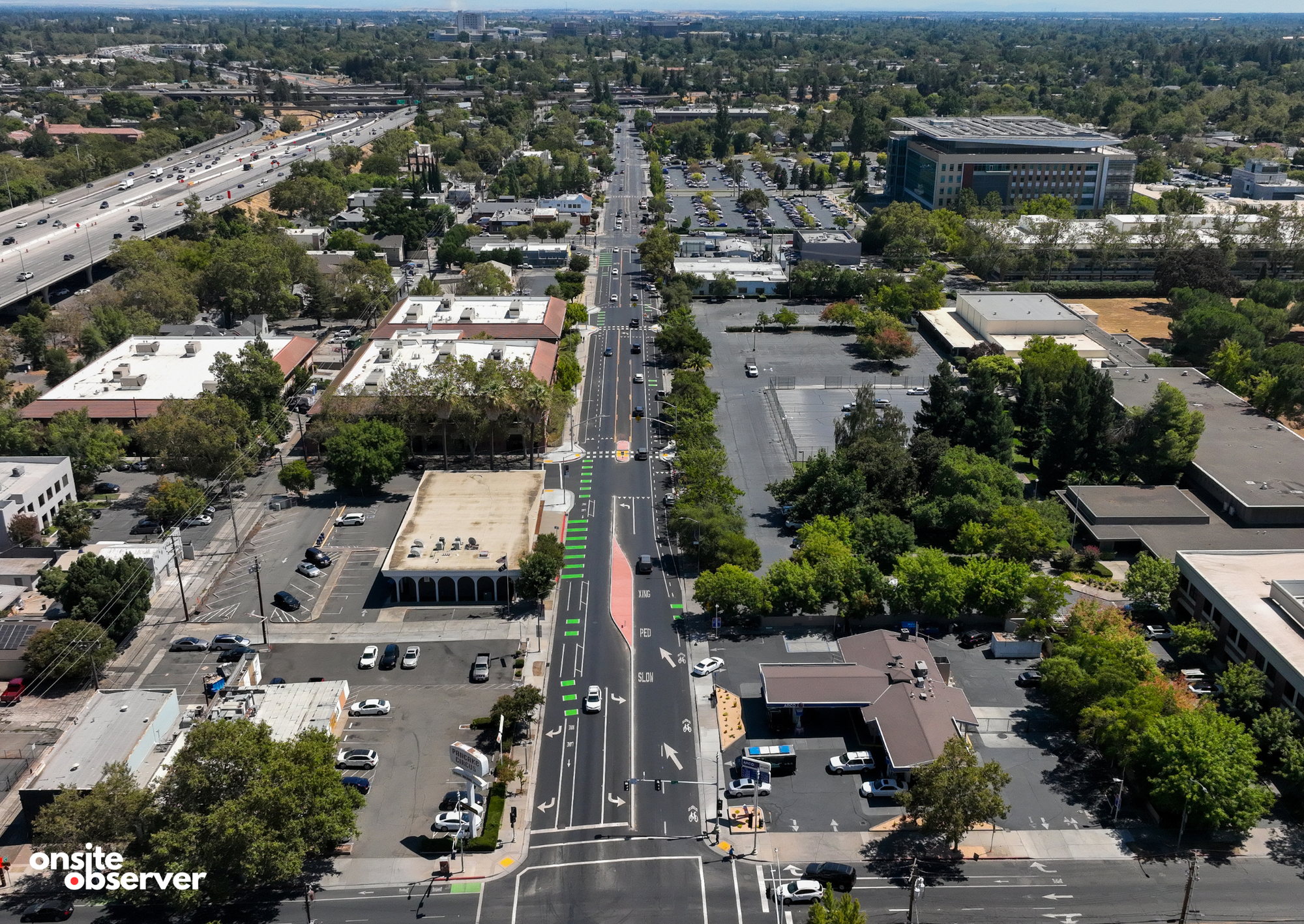
A citizens’ group affiliated with Sacramento Advocates for Rail and Transit and the Sacramento Area Bicycle Advocates is pushing to place a half-cent sales tax on the November 2026 ballot that would generate about $75 million a year for transportation improvements within Sacramento city limits.
The proposal, officially titled the Sacramento Safe Streets and Affordable Transit Measure of 2026, was presented to the Sacramento Transportation Authority (STA) governing board on April 9.
Steve Cohn, representing Sacramento Advocates for Rail and Transit and acting as co-chair of the Safer Sac Streets campaign, told the board that the initiative targets severe infrastructure deficits currently plaguing the city.
During his presentation, Cohn said Sacramento is the “second worst California city for car crashes,” worse than Los Angeles on a per-capita basis and close to it in absolute numbers. He also said the city’s pavement quality would be graded at D-minus and argued Sacramento lags cities such as Los Angeles, San Francisco, Portland, and San Diego in transit investment.
According to the STA agenda packet, the measure would impose a 0.5% transactions and use tax on taxable sales within the City of Sacramento. The city’s current sales and use tax rate is 8.75%, and the increase would raise it to 9.25%. STA staff said that, as a citizens’ initiative, the measure would require a simple majority voter approval.
Revenue from the tax would be split nearly evenly between roads and transit operations. According to the proposed ordinance, 48% of the funds would be allocated to street repair, maintenance, safety improvements, and active transportation upgrades. Another 48% is earmarked for the Sacramento Regional Transit District to improve the frequency, affordability, and condition of service for bus and light rail services. The remaining funds are dedicated to transit-oriented housing development infrastructure (3%) and independent taxpayer audits and oversight (1%).
To qualify for the November 2026 ballot, the campaign must collect and submit 29,000 valid signatures from registered city voters by mid-June. Cohn expressed optimism about the campaign's chances, citing recent polling showing roughly 60% support among city residents.
The city-only proposal comes after plans for a broader countywide transportation tax failed to gain enough support. Polling last fall indicated only 50% support across Sacramento County, leading the Sacramento Transportation Authority to shelve a broader measure until at least 2028.
STA staff warned that if Sacramento voters approve the city measure in November 2026, the agency would no longer be able to include the City of Sacramento in a future countywide transportation sales tax measure. Sacramento County’s effective local transactions and use tax ceiling is generally 9.25%, which would be reached if the city adopts the proposed half-cent increase.
Author

Vitaliy Moskalenko is a development reporter passionate about documenting how communities grow. Through Onsite Observer, he delivers site visits, drone footage, and research-driven stories that bring transparency and context to local development.