SACOG adopts 2025 Blueprint outlining growth through 2050

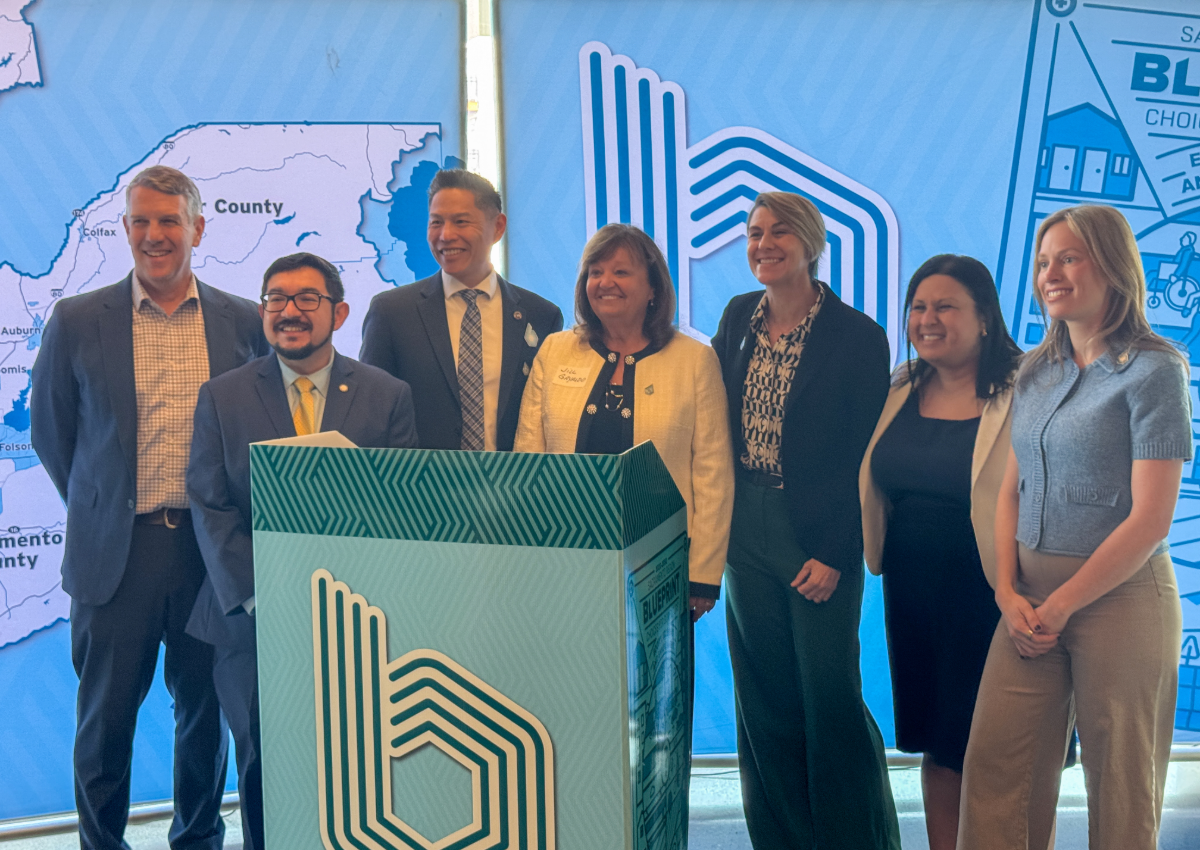
Local elected officials and regional planners gathered Tuesday to celebrate the adoption of the Sacramento region’s 2025 Blueprint, a long-range plan that guides how the region will grow and invest in transportation through 2050.
The event followed Sacramento Area Council of Governments’ adoption of the plan late last year and served as a public moment for elected leaders and agency staff to reflect on what comes next.
The Blueprint, formerly known as the Metropolitan Transportation Plan and Sustainable Communities Strategy, is SACOG’s federally required regional plan, updated every 4 years. The newly adopted version projects the region will add roughly 580,000 residents, 278,000 homes, and 263,000 jobs by midcentury, growth that officials say will require different development patterns than those of past decades.
Unlike zoning ordinances or general plans, the Blueprint does not mandate what cities build or where they build it. Local leaders said that because cities were involved in creating the plan, they expect it to be carried out.
“It was built by the participants,” Sacramento Mayor Pro Tem Eric Guerra said. “Regional leaders held community meetings in their own cities to talk about how to move forward.”
Elk Grove Vice Mayor Darren Suen, who has served on the SACOG board since 2016, said the Blueprint gives local governments flexibility.
“I think that’s the beauty of the plan, because it’s not prescriptive,” Suen said. “It allows local governments like mine to be flexible and implement things that are consistent with the plan, but also meet the unique needs of our communities.”
Much of the future housing described in the Blueprint is planned for already developed areas. SACOG estimates that more than 65 percent of new homes over the next 25 years will be built within existing communities, rather than on the region’s outer edges.
James Corless, SACOG Executive Director, noted this shift is already happening.
“In 2024, we built more than 3,000 units of infill housing in these green zones,” Corless said. “We have to build on that momentum.”
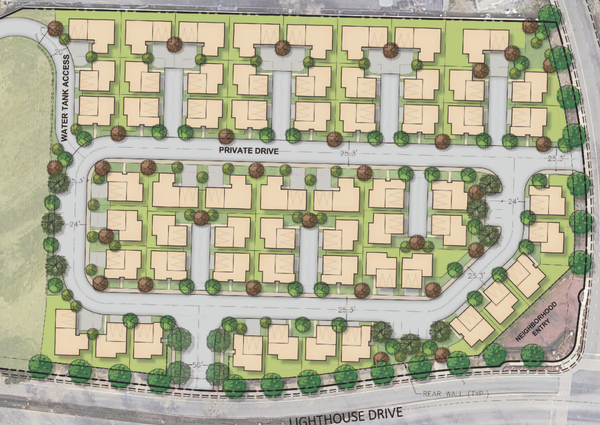
The Blueprint also anticipates shifts in household size and demographics, projecting an older population and smaller households over time. As a result, the plan forecasts a gradual move toward smaller homes. By 2050, SACOG expects 33% of new housing to come from duplexes, triplexes, townhomes, and mid-sized apartment buildings, often referred to as the “missing middle.” Another 32% would come from small-lot single-family homes.
Corless described the change as a reflection of existing regional trends.
“We think it’s organic demand, but it’s also demographic and market-driven,” Corless said. “Household sizes are shrinking, people are living longer, and the cost of housing and land means people are looking for smaller footprints.”
The Blueprint’s transportation vision includes a "fix-it-first" approach, prioritizing the repair of existing roads over expansion. However, as revenue from gas taxes shrinks, the plan also includes nearly 200 miles of managed toll lanes to reduce congestion.
"We are never going to grant-fund all of the highway projects in the region," Corless explained. "But if we can do tolling, that’s a way that we can begin to self-finance the next generation of multimodal corridors".
Tolling remains a debated issue across the region, but Suen said the revenue could be a lifeline. "Those monies can be used for transit programs, to incentivize more building in urban areas to get people closer to where their jobs are".
With the Blueprint now adopted, Corless said implementation will require teamwork across the region, noting that progress will not come county by county but through coordination among all six counties.