More than 70% of Sacramento households can’t afford a new home

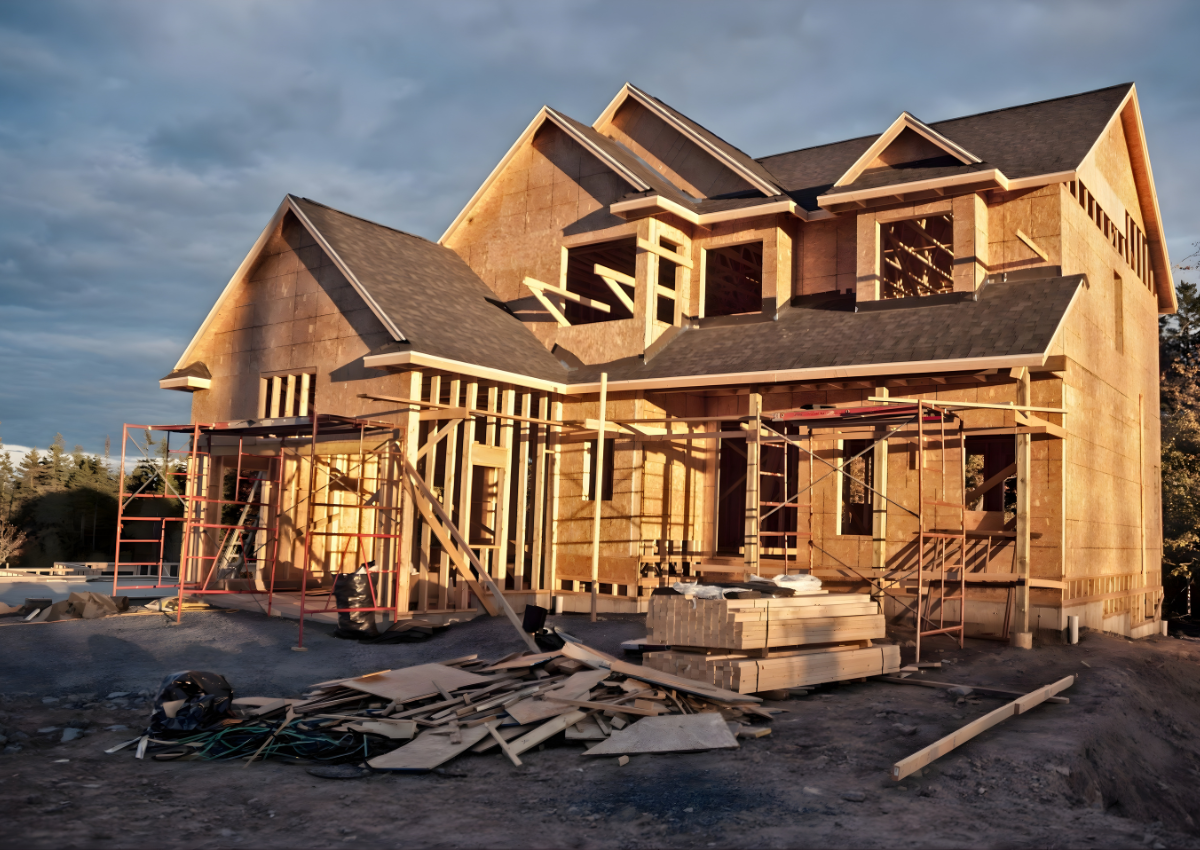
For many households in the Sacramento region, the path to homeownership has become increasingly difficult as home prices rise faster than incomes.
According to the National Association of Home Builders (NAHB), the median price for a newly built home in the Sacramento-Roseville-Folsom metro area has reached approximately $568,517. Under standard lending assumptions, a household now requires an annual income of roughly $161,702 to qualify for a mortgage at that price point.
That barrier is proving insurmountable for the vast majority of the local workforce. With the region’s median household income hovering at $94,992, about 70.6% of local households are currently priced out of the new-home market.
The affordability gap has widened in recent years. In 2022, the qualifying income for a median-priced home in the region was approximately $126,259. While home prices have grown modestly since then, the income required to carry a mortgage has surged by nearly 28%, a spike driven largely by higher borrowing costs.
The volatility of the market means that even marginal price fluctuations carry heavy consequences for aspiring homeowners. Analysts at the NAHB estimate that for every $1,000 increase in a home's price, another 575 Sacramento-area households are pushed below the qualifying threshold.
The upward pressure on prices is driven by more than just high demand or interest rates. Homebuilders are facing record-high input costs that prevent them from bringing lower-priced inventory to market. A 2024 construction cost survey conducted by the National Association of Home Builders, based on responses from homebuilders across the United States, breaks down the cost.
The survey found that construction costs account for 64.4% of a home’s final sale price, up from 60.8% in 2022. The average new single-family home now costs about $428,215 to build, the highest level in the survey’s history.
After accounting for finished lots, which represent 13.7% of the price, and builder's profit margin of roughly 11%, there is little room for price concessions. Builders have attempted to respond to affordability challenges by gradually shrinking home sizes. However, these attempts at "attainability" are often neutralized by rising labor, land, and regulatory costs. The average new home in the survey measured about 2,647 square feet.
While Sacramento’s home prices remain lower than those in coastal metros, the region’s affordability struggle is now more acute than the state average.
Across California, the median price of a new home is approximately $545,892, requiring an estimated household income of $153,471 to qualify for a mortgage. Roughly 65.6% of households statewide cannot afford a median-priced new home. In the San Francisco-Oakland-Fremont metro area, where the median new home price exceeds $1 million, approximately 69% of households are priced out.
Despite these hurdles, the region’s population continues to swell. According to the California Department of Finance, Sacramento County alone added 11,803 residents between July 2024 and July 2025, the largest numeric increase of any county in California. Nearby Placer and Yolo counties added a combined 6,764 residents in the same period, driven largely by Californians migrating inland.
The Sacramento Area Council of Governments, which oversees regional planning, projects the region will add 580,000 residents and 278,000 homes by 2050. To accommodate this influx, planners say the region must find ways to expand the housing supply across a broader range of types and price points. Without a structural shift in how housing is produced, the region risks losing the very affordability that has long fueled its economic growth.
Support our work and unlock all articles, project updates, and subscriber-only insights by subscribing to Onsite Observer.